August 18, 2026
Back Protection at Work: Simple Habits That Make a Big Difference
Back injuries are among the most common and costly workplace injuries in the United States. Whether your employees are lifting heavy materials on a job site or spending long hours at their desks, backs work hard every day. The good news is that many back injuries are preventable with proper body mechanics, ergonomic workspaces, and healthy daily habits.
Not only do you want to protect employees’ backs for their well-being, attention to back care is also about reducing costs, improving productivity, and minimizing lost work time.
The High Cost of Back Injuries
Back injuries account for nearly 20% of all workplace injury claims, making them one of the most frequent reasons for workers' compensation claims. While a minor strain may heal with rest and physical therapy, more serious injuries can require surgery, permanent work restrictions, or lifelong medical care.
U.S. employers spend an estimated $15 billion to $18 billion each year in direct workers' compensation costs related to back injuries and musculoskeletal disorders (MSDs). When indirect costs such as lost productivity, absenteeism, overtime, retraining, and hiring replacement workers are included, the annual financial impact climbs to an estimated $225.8 billion.
Typical workers' compensation settlements can vary widely depending on the severity of the injury:
- Minor strains and sprains: $5,000 to $20,000
- Herniated or bulging disc (non-surgical): $20,000 to $50,000
- Herniated disc requiring surgery: $50,000 to $150,000
- Spinal fusion or severe spinal injury: $150,000 to $300,000+
- Catastrophic spinal injury or paralysis: $1 million or more
While every claim is different, these figures highlight why investing in prevention is one of the smartest safety decisions an organization can make. This investment includes training in proper lifting and ergonomics.
Safe Lifting Techniques for Manual Labor
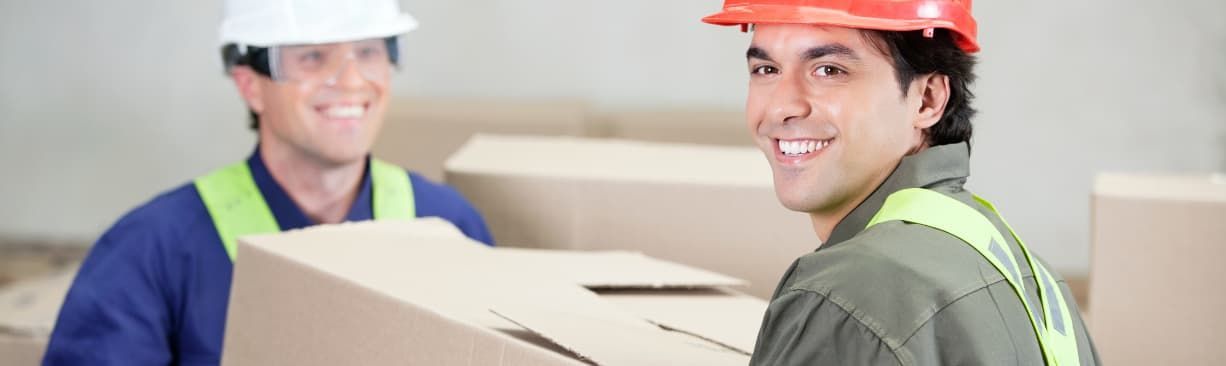
Before new employees step onto the floor, they should be trained in back-protection techniques appropriate for the job. Improper lifting is one of the leading causes of workplace back injuries. Whenever a person is moving heavy materials, they need to keep these best practices in mind:
- Bend your knees and lift with your legs, not your back.
- Keep heavy loads close to your body, ideally near your waist or chest.
- Avoid twisting or jerking while carrying an object. Turn your entire body instead.
- Use mechanical lifting equipment whenever possible or ask a coworker for help with heavy or awkward loads.
You should have a policy with a weight limit of when a load is considered a two-person lift. Typically, it’s when a load is 50 pounds or more. You should also reinforce that using proper lifting techniques every time, even for lighter objects, helps build safer habits and significantly reduces risk of injury.
Back Protection in Physical Jobs
Employees who spend their day lifting, bending, or performing repetitive motions can reduce strain with a few simple adjustments.
- Wear supportive footwear that provides stability and cushioning.
- Practice proper lifting techniques consistently.
- Rotate repetitive tasks among team members to reduce muscle fatigue.
- Adjust workstations and equipment to minimize excessive bending, reaching, or hunching.
Small ergonomic improvements can reduce stress on muscles and joints while improving comfort, safety, and productivity.
Special Back Protection Needed in the Energy Industry
Whether employees work in oil and gas, utilities, or renewable energy, jobs in the energy industry often place significant stress on the back. Heavy lifting, rough terrain, awkward postures, climbing, and long hours in vehicles can all increase the risk of back injuries. Fortunately, a few simple habits can help reduce strain and prevent injury.
- Use cranes, hoists, dollies, or team lifts when moving heavy or awkward equipment.
- Lift with your legs, keep loads close to your body, and avoid twisting while carrying materials.
- Adjust vehicle seats for proper lumbar support, especially when driving long distances on uneven roads.
- Stretch before physically demanding tasks and take short movement breaks throughout the day to reduce muscle fatigue.
- Wear supportive, slip-resistant footwear to improve stability on uneven, muddy, or icy surfaces.
- Keep work areas clear of tripping hazards and use proper fall protection when climbing or working at heights.
Taking a proactive approach to back safety helps employees stay healthy while reducing injuries, downtime, and workers' compensation costs.
Back Care for Office Workers
Desk jobs may seem less physically demanding, but sitting for long periods and poor posture can place significant stress on the spine. Create a more back-friendly workstation by following these ergonomic guidelines:
- Adjust office chairs so feet rest flat on the floor and thighs are parallel to the ground.
- Choose a chair with adequate lumbar support to maintain the spine's natural curve.
- Position monitors so the top of the screen is at eye level.
- Adjust armrests so your elbows remain at a 90-degree angle and shoulders stay relaxed.
- If possible, alternate between sitting and standing with a height-adjustable desk.
- Encourage short movement and stretching breaks every hour to loosen lower back, hips, and hamstrings.
Even a few minutes of movement throughout the day can improve circulation, reduce stiffness, and help prevent chronic discomfort.
Healthy Habits That Support a Strong Back
As an employer, you can provide your employers with information on additional ways to protect their back and spine. Building strength, flexibility, and endurance helps reduce the risk of future injuries. You could even offer a stretching or yoga class during lunch or after hours for anyone interested.
Some of the habits that support your spine include:
- Core strengthening with exercises such as planks to better support your spine.
- Stretches for back, shoulders, and legs throughout the day.
- Low-impact activities such as walking, swimming, or yoga.
Prevention Pays Off
Whether you work on a construction site, in a warehouse, on a manufacturing floor, or behind a computer, protecting your back starts with small, consistent habits. Proper lifting techniques, ergonomic workstations, regular movement, and physical conditioning can dramatically reduce the likelihood of injury.
For employers, encouraging safe work practices and investing in ergonomics helps create a healthier workforce while reducing workers' compensation claims, absenteeism, and productivity losses. For employees, it means fewer injuries, less pain, and a healthier future.
Your back is one of your body's most valuable assets. Taking care of it today can help prevent costly injuries tomorrow.
Work with a Staffing Partner That Knows Safety
Founded in 1956, Nesco Resource is a leading national staffing company. We have a best-in-class safety program for contingent labor. Our team includes a Certified Safety Professional (CSP) accredited from the Board of Certified Safety Professionals (BCSP) and field staff who are OSHA 10 Hour General Industry trained. We inspect worksites and make safety recommendations. Reach out to a local branch to learn more.
Frequently Asked Questions
What is the leading cause of workplace back injuries?
Improper lifting techniques, repetitive motions, poor posture, and poorly designed workstations are among the most common causes of back injuries. Proper training, ergonomics, and safe work habits can significantly reduce the risk.
How can employers help prevent back injuries?
Employers can reduce injuries by providing lifting and ergonomics training, encouraging proper body mechanics, supplying mechanical lifting aids when needed, creating ergonomic workspaces, and promoting regular stretching and movement throughout the workday.
How much weight should employees lift by themselves?
Many organizations consider 50 pounds the threshold for a two-person lift, although weight limits may vary based on company policy, the shape of the object, and the employee's physical capabilities. Employees should never hesitate to ask for assistance or use mechanical lifting equipment.
Are office workers really at risk for back injuries?
Yes. Sitting for long periods, poor posture, and improperly adjusted workstations can lead to chronic back pain and musculoskeletal disorders. Simple ergonomic adjustments and taking short movement breaks every hour can make a significant difference.
Why should businesses invest in back injury prevention?
Preventing back injuries helps protect employees while reducing workers' compensation claims, absenteeism, turnover, and lost productivity. Investing in training, ergonomics, and workplace safety often costs far less than managing a single serious back injury.
Latest Resources
Check out our newest resources
August 13, 2026
Discover the highest paying engineering jobs in 2026, what type of engineer makes the most money, and how Nesco's recruiters connect you to top offers.
August 13, 2026
See engineering resume examples, templates and expert tips from real staffing recruiters. Land more interviews with a resume that actually gets noticed.
By Admin User
•
July 31, 2026
Looking for engineering recruiters? Nesco Resource is a trusted engineering recruitment agency placing mechanical, electrical & civil engineers since 1956.