June 5, 2026
Automation Technician: Job Description, Salary & Certification Guide for 2026
Modern manufacturing runs on automated systems. From robotic arms to conveyor controls, someone has to install, maintain, and troubleshoot all of it. In most cases, that someone is an automation technician.
This guide covers the automation technician job description, real salary figures, training paths, certifications, and what career growth looks like in this field. Keep reading whether you're exploring it as a candidate or trying to hire for it.
What is an Automation Technician
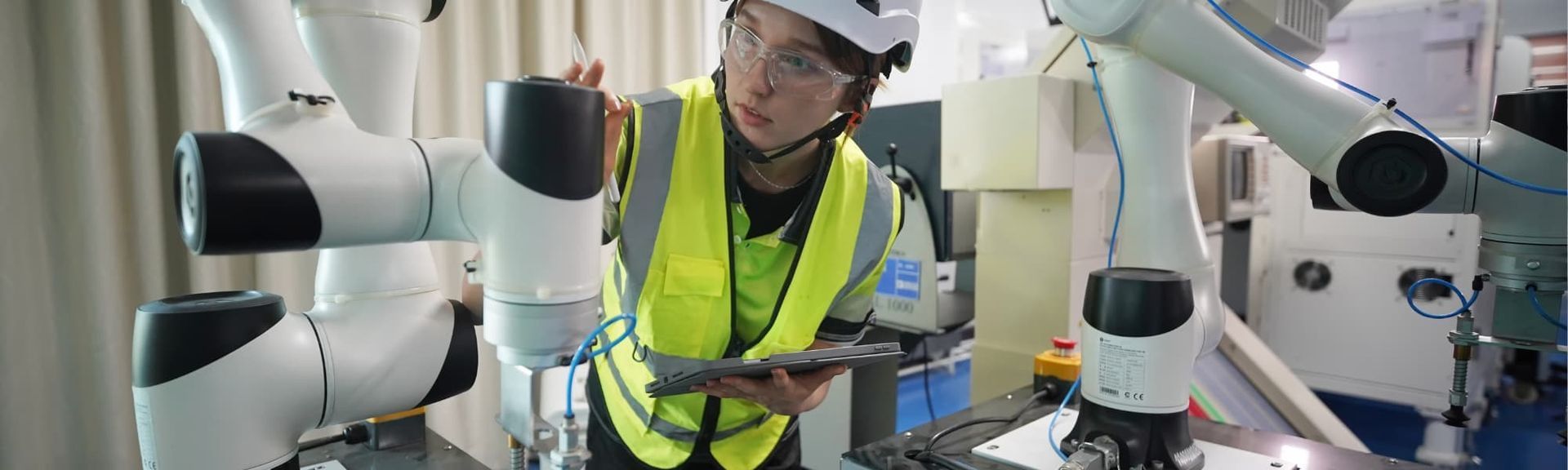
An automation technician is the skilled trades professional responsible for keeping automated and computer-controlled systems running in industrial and manufacturing environments. That includes programmable logic controllers (PLCs), robotic systems, hydraulic and pneumatic equipment, sensors, and human-machine interfaces (HMIs).
When a system fails or runs out of spec, the automation technician diagnoses and repairs it. When new equipment gets installed, they're hands-on from day one. It's a technically demanding role that blends electrical, mechanical, and software knowledge (and it pays accordingly).
Automation Technician Job Description: Core Duties
An automation technician job description varies by employer, but most roles share a consistent core:
● Install, configure, and commission automated systems
● Monitor performance and identify issues before they cause downtime
● Troubleshoot PLCs, sensors, servo drives, and control components
● Perform scheduled preventive maintenance and document findings
● Read and interpret electrical schematics and technical drawings
● Collaborate with engineers on upgrades and process improvements
● Report on system status and automation capabilities to leadership
Many employers also expect the automation technician job description to develop subject matter expertise within the facility. That advisory function makes this job both a strategic and maintenance role.
Automation Technician vs. Robotics and Automation Technician: What's the Difference?
The titles overlap significantly, but there's a meaningful distinction.
An automation technician typically works across a broader range of automated systems. Think conveyor controls, process automation, and general electromechanical equipment.
A robotics and automation technician, meanwhile, focuses more specifically on robotic systems: programming robotic arms, maintaining welding cells, and working with motion control.
In many facilities these roles are handled by the same person. In larger operations, they're separate specializations. Either way, the foundational skills transfer directly between them.
Automation Technician Salary: What You Can Expect in 2026
Pay in this field is competitive. According to the U.S. Bureau of Labor Statistics, the median annual wage for electro-mechanical and mechatronics technologists and technicians (the BLS category most aligned with automation roles) was $70,760 in May 2024.
Automation technician salary ranges by experience level:
| Experience Level | Estimiated Annual Salary |
|---|---|
| Entry-level (0-3 years) | $45,000-$55,000 |
| Mid-career (4-7 years) | $60,000-$75,000 |
| Senior (8+ years) | $80,000-$95,000+ |
Several factors push automation technician salaries higher:
- Industry: Aerospace, semiconductor, and pharmaceutical manufacturing typically pay above average
- Geography: Industrial hubs in Michigan, Texas, and the Pacific Northwest tend to offer stronger packages
- Certifications: Holding recognized credentials from the International Society of Automation can meaningfully increase earning potential
- Platform specialization: Deep expertise in Siemens or Allen-Bradley PLCs often commands a premium
For employers, understanding current automation technician salary benchmarks is essential. An ongoing skilled labor shortage has made experienced automation talent especially competitive to recruit and retain.
How to Become an Automation Technician
Automation technician training typically starts with a two-year associate degree in mechatronics, industrial automation, or electromechanical technology. These programs blend classroom theory with hands-on lab work on actual automation equipment (and they're widely available at community colleges and technical schools).
Other automation technician training paths include:
- Apprenticeships: Structured programs combining paid on-the-job training with related technical instruction, often lasting two to four years
- Employer-sponsored programs: Many large manufacturers build internal automation technician training around their specific equipment platforms
- Online coursework: Platforms like Coursera and LinkedIn Learning offer PLC programming and robotics fundamentals, which are useful for building knowledge before or alongside formal training
Candidates coming from related roles (machine operators, maintenance technicians, or CNC machinists) often have more transferable skills than they realize. Familiarity with industrial equipment, safety protocols, and manufacturing workflows is genuinely valuable when pursuing automation technician training.
Automation Technician Certifications: The Ones That Matter
Automation technician certification isn't always required, but it's one of the most effective ways to demonstrate competence and move up faster.
ISA Certified Automation Professional (CAP)
The CAP is the gold standard automation technician certification for professionals in process and manufacturing automation. Candidates need a four-year technical degree and five years of experience, or ten years of experience without a degree.
The ISA CAP Associate program is the entry-level stepping stone. It counts as one year of work experience toward the full CAP.
ISA Certified Control Systems Technician (CCST)
A more hands-on automation technician certification than the CAP, the CCST is designed for technicians working directly with instrumentation and control systems. It's offered at three levels, making it accessible earlier in a career.
Six Sigma Yellow or Green Belt
Six Sigma credentials are increasingly requested in automotive and high-volume manufacturing environments. They signal process improvement capability beyond basic maintenance.
A Six Sigma Yellow or Green Belt shows employers you can identify inefficiencies, reduce defects, and contribute to continuous improvement initiatives at the system level.
Rockwell Automation/Allen-Bradley Credentials
Vendor-specific automation technician certification through Rockwell Automation carries significant weight with employers running Allen-Bradley control systems. These credentials validate hands-on proficiency with a platform employers are actually using on their floor.
MSSC Certified Production Technician (CPT)
The CPT is a strong entry-level automation technician certification for candidates building foundational manufacturing skills. Offered by the Manufacturing Skill Standards Council, it covers safety, quality practices, manufacturing processes, and maintenance awareness.
The CPT is a practical credential to hold while working toward more advanced ISA designations.
Career Growth in the Automation Field
The advancement path is clear for technicians who invest in their skills:
- Junior Technician: Supports senior techs, performs basic maintenance
- Automation Technician: Full diagnostic responsibilities, manages PM schedules
- Senior/Lead Tech: Complex troubleshooting, mentors junior staff
- Automation Supervisor/Manager: Team leadership, strategic planning
- Automation Engineer: System design and development (often requires additional education)
Welding technicians and other skilled trades professionals with electrical or mechanical backgrounds often find this a natural and well-paying next step.
Start Your Automation Career with the Right Partner
Automation isn't slowing down and neither is demand for the people who keep those systems running. Whether you're working with staffing companies or working with a recruiter for the first time, finding the right fit in this field matters.
At Nesco Resource, connecting people with that fit is what we've done since 1956. We're a nationally ranked staffing and workforce solutions company dedicated to transforming lives for the better.
We help job seekers get into roles that match their skills and goals, and aid employers find qualified talent fast. From contingent labor and direct hire to managed workforce programs, we deliver flexible solutions that help businesses and individuals thrive.
Frequently Asked Questions
What does an automation technician do?
An automation technician installs, programs, maintains, and troubleshoots automated machinery and computer-controlled systems in industrial settings. They work with PLCs, SCADA systems, robotic equipment, and electrical controls to keep production lines running efficiently.
What is the average automation technician salary?
The average automation technician salary in the U.S. is roughly $32 per hour, or $60,000-$67,000 annually. Entry-level roles typically start at $45,000-$55,000, while senior technicians with certifications and PLC programming expertise can earn $80,000-$90,000 or more depending on industry and location.
What's the difference between an automation technician and a robotics and automation technician?
An automation technician works across all automated systems. A robotics and automation technician, meanwhile, specializes in robotic systems specifically, including robotic arms, programming, and vision systems. Robotics specialization typically commands higher pay and is most common in automotive and electronics manufacturing.
What education do you need to become an automation technician?
Becoming an automation technician usually starts with an associate's degree in automation technology, electromechanical technology, or industrial electronics. Some employers hire candidates with a relevant technical certificate and hands-on experience. Manufacturer-specific training and industry certifications can substitute for or complement formal credentials.
What certifications should an automation technician have?
The most recognized automation technician certification programs are the ISA Certified Control Systems Technician (CCST) and the ISA Certified Automation Professional (CAP). Six Sigma Yellow or Green Belt certifications are also valued in manufacturing. Vendor-specific automation technician certification training from Rockwell Automation or Siemens carries significant weight with employers running those systems.
Is automation technician a good career in 2026?
Yes. Manufacturing automation is expanding rapidly across automotive, logistics, food processing, and pharmaceutical industries. Demand for technicians with PLC programming and robotics skills significantly outpaces supply. This makes automation technicians among the more in-demand skilled workers in the market right now.
How long does automation technician training take?
Formal automation technician training through an associate's degree typically takes two years. Certificate programs can be completed in 6-12 months. Most employers then provide an additional 1-12 months of on-the-job automation technician training specific to their systems.
Related Articles

By Admin User
•
October 19, 2026
Discover six candidate motivators beyond pay, from workplace flexibility to career growth. Rethink your talent acquisition strategy with these tips.

October 9, 2026
Trade school or college? Compare costs, timelines and career outcomes from a staffing agency that's placed candidates in both paths for 70 years.

October 2, 2026
Learn what a skills-based resume is, when to use one, and how to write it right. Free template and real examples from Nesco Resource's staffing recruiters.